Why Afghan Clothing
is Truly Timeless
From ancient trade routes to modern runways — the enduring beauty of a textile tradition that refuses to fade
Fashion trends come and go with the seasons. But some clothing transcends trend cycles entirely — rooted so deeply in culture, craft, and human story that it simply cannot go out of style. Afghan clothing is one of those rare exceptions. It has endured for centuries, and today, it is experiencing a powerful global renaissance.
A Heritage Woven in Every Thread
Afghanistan sits at the crossroads of ancient civilizations. For thousands of years, the Silk Road passed through its mountains and valleys, carrying not just goods but ideas, dyes, patterns, and techniques from China, Persia, India, and Central Asia. Afghan craftspeople absorbed and transformed all of these influences, creating a textile tradition that is uniquely their own.
Unlike fast fashion — designed to be discarded in a season — traditional Afghan garments were made to last generations. They were often passed from mother to daughter, each piece carrying personal and family history in its stitches. This relationship between clothing and memory is one of the core reasons Afghan fashion feels so deeply meaningful.
The Art of Afghan Embroidery
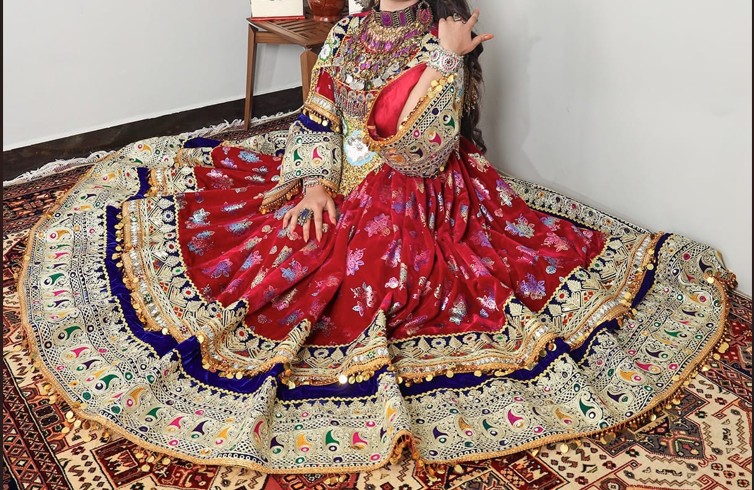
Perhaps no element of Afghan clothing is more distinctive than its embroidery. Afghan needlework is not decorative in the Western sense — it is a language. Different regions developed entirely different visual vocabularies: the geometric precision of Hazara mirror-work, the flowing botanical patterns of Herat, the bold geometric tribal motifs of the Kuchi nomads, and the delicate chain-stitch silk embroidery of Kandahar.
Each stitch type, color combination, and pattern placement carries meaning — indicating a woman’s marital status, her tribe, her region, even the occasion for which the garment was made. To wear embroidered Afghan clothing is to wear a story.
Clothing in Afghan culture is never just fabric. It is identity, memory, and artistry — passed down through generations, stitch by stitch.
— Afghan textile heritage scholarsWhy Afghan Clothing Transcends Trends
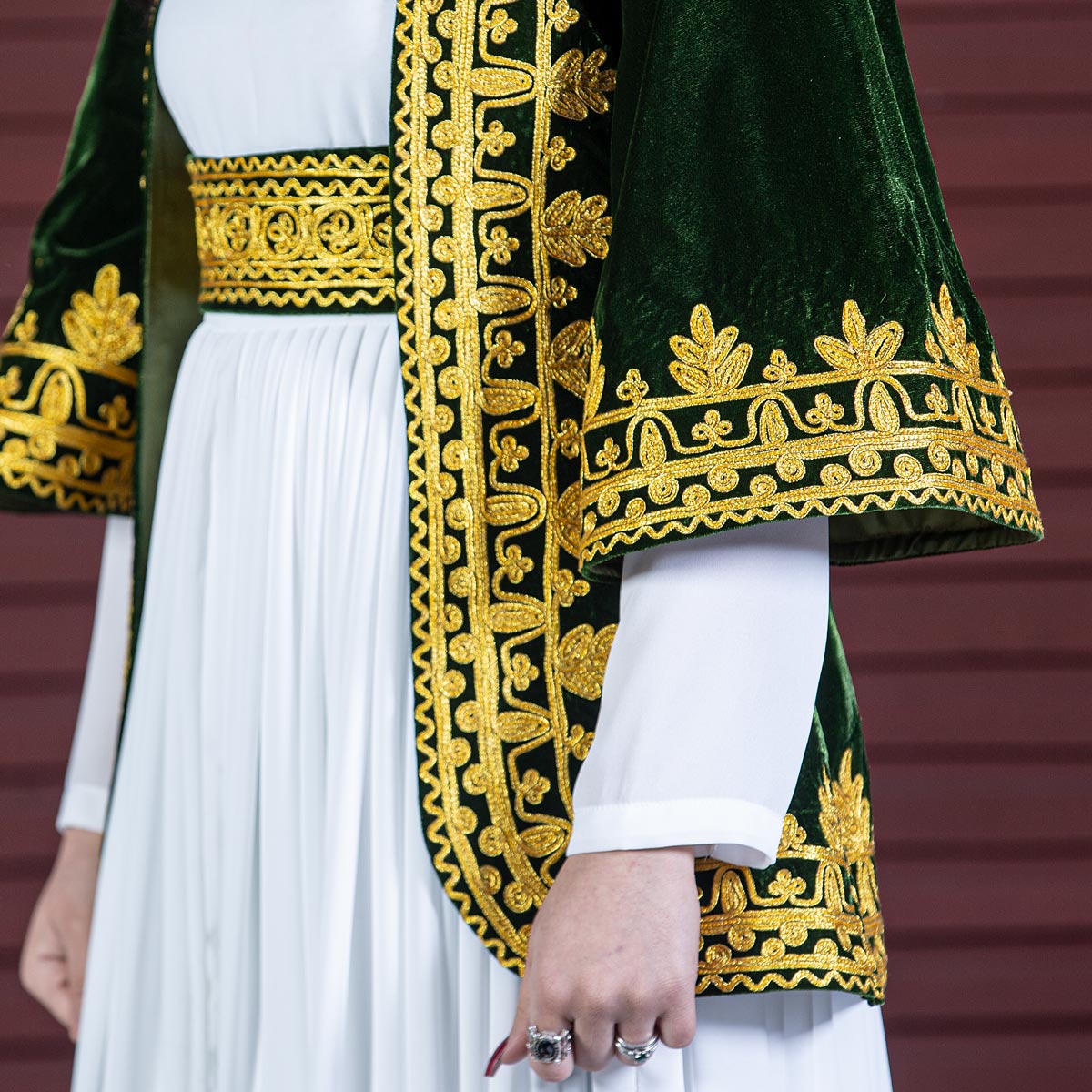
The global fashion industry operates on a cycle of novelty — each season demands something new. Afghan clothing operates on an entirely different logic. Its beauty comes not from novelty but from mastery, not from speed but from patience. A single embroidered Afghan dress can take weeks or even months to complete by hand. That investment of time and skill produces something that no machine-made garment can replicate.
This is why Afghan clothing has found an unexpected resonance with today’s consumers, who are increasingly rejecting disposable fashion in favor of pieces with meaning, craftsmanship, and story. In a world saturated with mass production, a hand-embroidered Afghan dress is quietly radical.
A Timeline of Afghan Fashion Through History
Understanding why Afghan clothing endures requires understanding where it came from. Here is a brief journey through the history of Afghan textile tradition:
500 BC
700 AD
1700
Wearing Afghan Heritage Today
One of the most remarkable qualities of Afghan clothing is its versatility. A beautifully embroidered Afghan dress does not require a special occasion — it is occasion enough in itself. Styled with simple accessories and modern pieces, traditional Afghan garments sit naturally in contemporary wardrobes, bridging cultural identity with everyday life.
At Diyana Boutique, this is the philosophy behind every piece we offer. We believe that Afghan clothing belongs not only at weddings and Eid celebrations, but in the everyday lives of women who want to wear something that means something — something made with care, rooted in culture, and beautiful in the deepest sense of that word.
The Future of Afghan Fashion
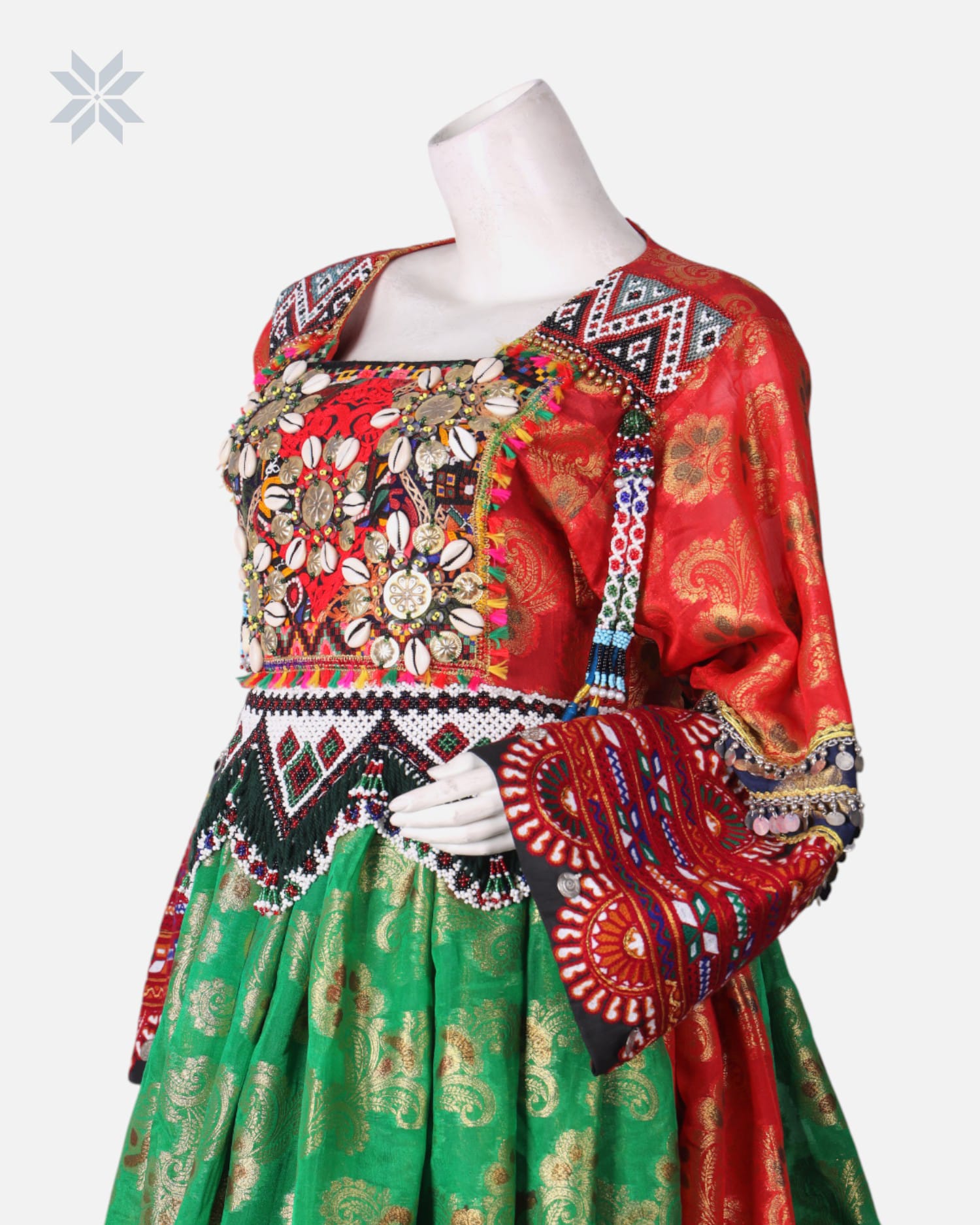
Afghan fashion is not a relic of the past — it is a living tradition, actively evolving and adapting. A new generation of Afghan designers, both within Afghanistan and across the diaspora, is reinterpreting traditional forms for modern audiences without sacrificing the craft and cultural depth that make them so special.
As the world moves toward more conscious, meaningful consumption, Afghan clothing is perfectly positioned. It offers everything that mass-produced fashion cannot: authenticity, artisanship, cultural narrative, and enduring beauty. It is, in the truest sense, timeless.
Explore Our Collection
Discover hand-embroidered Afghan dresses and traditional pieces, each carrying centuries of heritage.
Shop Diyana Boutique